




Table of Contents
- Heavy Duty Hand Cream for Construction Workers: What Actually Works
- Quick Comparison: Heavy Duty Hand Creams for Hard-Working Hands
- Hand Cream Ingredients for Dry Skin: What to Look For
- The Best Hand Cream for Construction Workers: Our Top Picks
- Hand Cream for Cracked Hands: Matching Products to Job Conditions
- How to Repair Dry, Damaged Hands: A Daily Routine for Tradies
- Prevention and Safety: Protecting Your Hands On Site
- Conclusion
- Frequently Asked Questions
Last Updated: October 15, 2026
Heavy Duty Hand Cream for Construction Workers: What Actually Works
A good heavy duty hand cream for construction workers must restore moisture stripped by concrete, timber, dust and glove changes, and hold up through a full shift without making your grip a slipping hazard.

At Oliveoil Skincare Group, we make all-natural, olive oil-based creams and balms for work-damaged skin.
Not every cream works for every trade.
The research on frequent handwashing is clear. A study on the effects of regular hand cream use found that hand cream applied after washing can reduce the dryness and roughness that frequent washing causes.
Below, we cover the ingredients that repair a damaged skin barrier, match our formulas to real job conditions, and give you a routine that takes under two minutes a day.
Quick Comparison: Heavy Duty Hand Creams for Hard-Working Hands
This table summarises our range by size, price and best use so you can pick a starting point in thirty seconds.
| Product | Price | Best For | Format |
|---|---|---|---|
| Hand Cream Naturally Nourished | $26.99 | All-day repair on site | Cream |
| Hand Cream Naturally Nourished | $14.99 | Glovebox and ute stash | Cream |
| Soothing Balm Pure Original | $25.99 | Severely cracked skin | Unscented balm |
| Soothing Balm Blue Mallee Eucalyptus | $25.99 | Cuts, grazes, mild disinfecting | Scented balm |
| Hand and Body Lotion Naturally Nourished | $35.99 | Full-body value after work | Lotion |
Hand Cream Ingredients for Dry Skin: What to Look For
Telling you to look for "moisturising ingredients" is useless when you're scrolling a product page at 9pm with split knuckles. What matters is which of the three functional ingredient classes a formula contains, how heavy each is, and whether the combination suits your skin and shift.

A heavy duty hand cream needs all three classes working together. Miss one and you get a product that feels pleasant for twenty minutes and does nothing by smoko.
The three classes, and what each one actually does
Occlusives form a film that slows transepidermal water loss, the evaporation that leaves hands tight and papery. They don't add water; they stop it leaving. Heaviest to lightest:
- Petrolatum, the most occlusive ingredient in common use, but it sits on the surface, feels greasy, and leaves palms slippery. That grip problem makes it a poor daytime choice on site.
- Shea butter, a plant fat that seals well but absorbs faster than petrolatum and leaves less residue. Good middle ground for daytime use in cold weather.
- Olive oil, rich in oleic acid, squalene, polyphenols and vitamins A, E and K. It both seals and penetrates, so olive oil-based formulas feel less like a coating than petroleum-based balms. It's the base of our hand cream and balm range.
Humectants pull water into the upper skin layers, adding hydration rather than trapping it:
- Glycerin, cheap, well-studied, effective. Appears in our Hand Cream and Hand and Body Lotion.
- Panthenol (provitamin B5), a humectant that also has a mild soothing effect. Also in our hand cream and lotion.
- Urea, a humectant at low concentrations and a keratolytic (skin-softening) agent at higher ones. Useful on thickened, calloused skin. Appears in our Enhanced Hand and Body Lotion.
Emollients and soothers soften skin and calm the stinging, redness and itch of a compromised barrier, the oils and butters above, plus actives like bisabolol, allantoin and colloidal oatmeal.
Why the ratio matters more than the ingredient list
A formula with petrolatum first and glycerin fifth seals well but hydrates poorly; one with glycerin high and no occlusive hydrates for an hour, then leaves hands drier as the water evaporates.
Daytime formulas should lean lighter, more humectant, less heavy occlusive, so hands stay grippy. Overnight formulas can lean heavy, because nothing is being gripped and the skin has hours to absorb.
Reading an ingredient list in thirty seconds
Ingredients are listed in descending order of concentration until the 1% mark, after which order is arbitrary:
- Scan the first five ingredients. If there's no occlusive and no humectant in that group, the product is mostly water, emulsifier and preservative.
- Check where the oils and butters sit. High placement means a richer formula.
- Look for fragrance and essential oils near the top if your skin is reactive. "Natural" fragrance is still fragrance, and eucalyptus, tea tree and citrus oils are common irritants on broken skin.
- Check for alcohol denat. high on the list, it speeds drying and works against everything else in the tube.
Ingredient sensitivities worth knowing about
Fragrance and essential oils are the most common cause of contact allergy in cosmetics, and the first thing to eliminate if your hands sting on application; preservatives like methylisothiazolinone are second. If you've had a patch test or dermatitis diagnosis, read the full INCI list rather than trusting a "hypo-allergenic" or "natural" claim on the front of the tube.
The short version
- Occlusive = stops water leaving. Heaviest is petrolatum; olive oil and shea are lighter.
- Humectant = pulls water in. Glycerin, panthenol, urea.
- Emollient/soother = softens and calms. Oils, butters, allantoin, oatmeal.
The Best Hand Cream for Construction Workers: Our Top Picks
Our top pick for most tradies is the Hand Cream Naturally Nourished 125ml. It absorbs readily, keeps hands soft through a workday, and is hypo-allergenic enough for most skin types.

Hand Cream Naturally Nourished 125ml: Best for All-Day Repair
Our most popular hand cream, and for construction work the 125ml tube is the right size for a toolbox or site bag. It absorbs quickly and starts repairing damaged skin on application rather than sitting on the surface.
$26.99 for 125ml works out cheaper per millilitre than the 40ml tube, which is the one to grab if you want a glovebox backup at $14.99.
Soothing Balm Pure Original 60g: Best for Severely Cracked Skin
When knuckles split and fissures open, switch from cream to balm. The Soothing Balm Pure Original is unscented, with no colouring agents or additives, and it's known to calm the effects of psoriasis and eczema. Its core ingredient is extra virgin olive oil, and it absorbs quickly instead of sitting on top of the skin like many petroleum-based balms.
Use it at night on cracked knuckles, heels and cuticles. $25.99 for 60g.
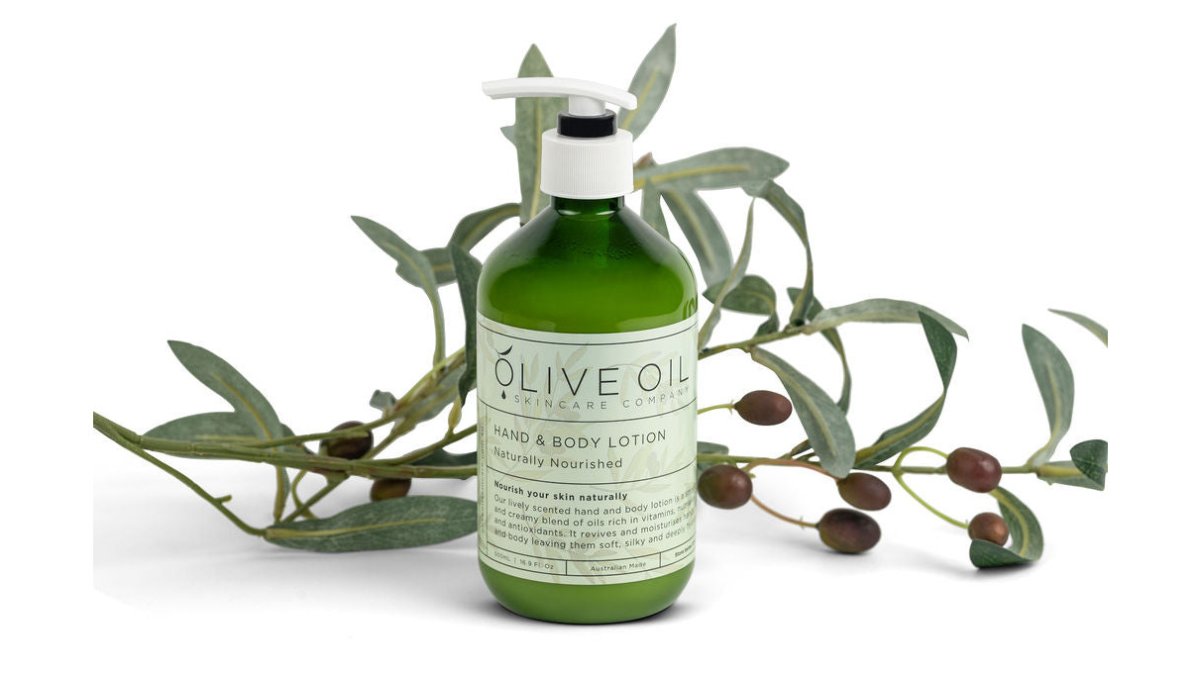
Hand and Body Lotion Naturally Nourished 500ml: Best Value for Full-Body Use
Construction work dries out forearms, elbows and shins too. The 500ml Hand and Body Lotion treats everything at once with the same olive oil base and essential oil blend as the hand cream.
Hand Cream for Cracked Hands: Matching Products to Job Conditions
The right formula depends less on brand than on what your hands meet each day, how often you wash them, and whether they spend the shift inside a glove. Here's how the main site conditions differ and which format suits each.
Concrete, cement and mortar dust
Wet cement is alkaline and abrasive, stripping the skin's acid mantle on contact; dry cement dust is hygroscopic, pulling moisture out of skin as long as it sits there.
What works: a barrier-heavy cream reapplied after every wash, not once in the morning.
Hand Cream Naturally Nourished 125ml →
Trade-off: heavier balms seal better but leave palms slick. On cement work, save the balm for after the shift.
Solvents, degreasers and chemical exposure
Solvents strip lipids directly out of the stratum corneum, the fastest route to dermatitis on a building site, and the condition where prevention matters most.
What works: wash thoroughly with a mild cleanser first, never apply cream over solvent residue, then an unscented balm. Pure Original is the safer choice for reactive skin because it contains no fragrance or essential oils to react with already-compromised skin.
Timber, framing and splinters
Minor cuts, grazes and splinters are constant. The concern here is not dryness so much as keeping small breaks in the skin clean while they heal.
What works: a balm with mild antibacterial properties. The Soothing Balm Blue Mallee Eucalyptus is the pick for this, eucalyptus oil has a long traditional use for minor cuts and grazes.
Trade-off: eucalyptus and tea tree oils are common sensitisers. If your skin is reactive, use the unscented balm instead and clean the wound properly.
Glove wear all day
Gloves create a warm, damp microclimate that macerates skin, softening it through prolonged moisture exposure, weakening the barrier and making it more vulnerable to irritation from glove material and sweat.
What works: a light layer of cream under the glove before you put it on, absorbed fully first. Then a full balm treatment after knock-off to repair what the day did.
Cold weather and outdoor work
Cold air holds less moisture, wind accelerates evaporation, and the temperature drop reduces blood flow to the extremities. Winter is when cracked knuckles appear even on hands that coped fine all summer.
What works: richer daytime formula than you'd use in summer, and a heavier overnight layer. Shea and olive oil formulas hold up better in cold than light lotions.
Frequent handwashing
This is the most common driver of dry hands on site, and it's unavoidable. Each wash removes natural lipids along with the dirt.
What works: reapply a pea-sized amount of cream after every wash, while hands are still slightly damp. The study on the effects of regular hand cream use found that hand cream applied after washing reduces the dryness and roughness that frequent washing causes.
Daytime versus overnight
These are two different jobs and they need two different products.
- Daytime: fast-absorbing cream, light enough that grip isn't compromised, reapplied often. Hand Cream Naturally Nourished 125ml.
- Overnight: concentrated balm on cracked areas, left to work for hours with nothing to grip. Soothing Balm Pure Original 60g.
If you only buy one product, buy the cream. If your knuckles are already splitting, buy both.
A quick matching table
| Condition | What it does to skin | Daytime pick | Overnight pick |
|---|---|---|---|
| Cement and concrete dust | Strips acid mantle, hygroscopic drying | Hand Cream 125ml | Pure Original Balm |
| Solvents and degreasers | Removes barrier lipids directly | Unscented cream or balm | Pure Original Balm |
| Timber and splinters | Minor cuts and grazes | Blue Mallee Eucalyptus Balm | Pure Original Balm |
| All-day glove wear | Maceration, accelerator sensitivity | Light cream under glove | Pure Original Balm |
| Cold outdoor work | Reduced moisture, poor circulation | Hand Cream 125ml | Pure Original Balm |
| Frequent washing | Lipid removal with every wash | Hand Cream 40ml, reapplied | Pure Original Balm |
How to Repair Dry, Damaged Hands: A Daily Routine for Tradies
Repairing work-damaged hands takes about ninety seconds a day if you're consistent. The routine matters more than the product: frequency beats quantity.
- Before work: apply a small amount of Hand Cream to palms, fingers and between the nails. Let it absorb fully before gloving up.
- After every wash: reapply a pea-sized amount. This is the step most people skip, and it's the one that matters most.
- Mid-shift: if hands feel tight, top up. Tightness is the early warning before cracking.
- After knock-off: wash, dry, then massage balm into knuckles, cuticles and any split skin.
- Before bed: a thicker layer of Pure Original Balm on cracked areas, left to work overnight.
Prevention and Safety: Protecting Your Hands On Site
Prevention is cheaper than repair. Gloves, washing technique and early treatment do more than any single cream.
- Wear the right glove for the task, and change them when they get damp inside.
- Use lukewarm water and a mild cleanser rather than solvent-based hand cleaners.
- Dry hands properly, including between fingers, before applying anything.
Conclusion
Damaged hands are one of the few workplace injuries you can genuinely prevent with a two-minute routine. The right heavy duty hand cream for construction workers is the one you'll actually reapply, for most tradies, a fast-absorbing cream by day and a concentrated balm at night.
Construction work punishes hands in ways a standard moisturiser can't fix, and by the time knuckles crack, you're already behind.
Frequently Asked Questions
What is the best hand cream for construction workers?
The best heavy duty hand cream for construction workers should absorb quickly, repair cracked skin and hold up through a full shift. Look for formulas with olive oil, glycerin or shea butter that strengthen the skin barrier without leaving a greasy film. A thicker balm works well for overnight treatment, while a lighter cream suits daytime reapplication between tasks.
Which ingredients should I look for in hand cream for dry, rough hands?
Prioritise barrier-repairing ingredients like olive oil, shea butter and petrolatum, which lock in moisture and help the skin recover. Humectants such as glycerin and panthenol draw water into the skin, while urea softens rough, calloused patches. Avoid formulas with high alcohol content or heavy fragrances if your hands are already irritated or cracked.
How often should construction workers apply hand cream?
Apply after every handwash and at least twice during a shift, plus a thicker layer before bed. Frequent handwashing strips natural oils, so reapplying straight after drying helps restore the skin barrier. Keep a small tube in your tool bag or ute so you can top up without leaving site. A 2006 study by Kampf and colleagues found that regular hand cream use after washing can reduce dryness and roughness.
Can hand cream help with cracked hands?
Yes. A concentrated balm or heavy cream can soothe cracked hands by restoring moisture and supporting the skin's natural repair process. Olive oil-based balms are absorbed quickly and help strengthen the skin barrier rather than sitting on the surface. For deep fissures or cracked knuckles that bleed or persist, see a health professional.
When should cracked or irritated hands be checked by a health professional?
See a doctor or dermatologist if cracks are deep, bleeding, infected or not improving after two weeks of consistent moisturising. Signs of infection include redness, swelling, pus or increasing pain. If you have a chronic skin condition like eczema or psoriasis that flares on your hands, a health professional can recommend prescription treatments alongside your daily heavy duty hand cream routine.
