




Table of Contents
- How Long to See Skincare Results: What the Research Shows
- Skincare Results Timeline by Product Type
- How Long Does Moisturiser Take to Work
- How Long Does Acne Treatment Take to Work
- How to Track Skincare Progress Effectively
- Factors That Affect How Quickly You'll See Results
- When to Give Up on a Product and Seek Professional Advice
- Frequently Asked Questions
Last Updated: October 11, 2026
How Long to See Skincare Results: What the Research Shows
When you start a new skincare routine, the question is always the same: how long to see skincare results? The answer depends on what you're treating, what product you're using, and how consistent you are. Most people see some changes within two to four weeks, but meaningful results often take longer. Understanding your skin's renewal cycle explains why patience matters.
The 28-day skin cell turnover cycle
Your skin completely replaces itself roughly every 28 days through the skin renewal cycle. Dead skin cells shed from the surface while new cells form underneath and gradually move upward. This cycle repeats continuously throughout your life.
The timeline changes with age. Younger skin renews in roughly 28 days; older skin takes 40 to 50 days. Most active ingredients need multiple cycles to show real change, one cycle gives a glimpse, two or three show meaningful results.
Why consistent use matters more than duration
Most people use a product for a week, see nothing, and quit. Consistency beats duration every time. A randomised study of 52 people with moderate-to-severe dry skin found that daily use of a mild cleanser and moisturiser led to objective and subjective improvements (PubMed Central, 2021) (A consistent skin care regimen leads to objective and subjective improvements in dry...). Missing days or switching products constantly resets your progress.
| Consistency Level | Expected Timeline | Realistic Results |
|---|---|---|
| Daily use, no changes | 4-6 weeks | Noticeable improvement |
| 3-4 times per week | 8-12 weeks | Slower, less dramatic |
| Sporadic use | 12+ weeks | Minimal to none |
| Stopped and restarted | Resets | Back to week one |
Skincare Results Timeline by Product Type
Different products work on different timelines. A cleanser acts immediately. A serum targeting fine lines takes weeks. Understanding what to expect from each type keeps you from abandoning something that actually works.
Cleansers and face washes
Cleansers work instantly to remove dirt and oil. The real benefit appears over time: a gentle cleanser keeps your skin barrier intact, while a harsh one damages it. After two to three weeks of using the right cleanser, your skin feels smoother and less irritated.
Look for cleansers that remove makeup and dirt without stripping your skin. Our Serenity Face Moisturiser works beautifully after a gentle cleanser.

Serums and active treatments
Serums contain higher concentrations of active ingredients and penetrate deeper than moisturisers. Most show subtle changes within one to two weeks, fine lines soften, skin tone evens, with undeniable results after four to six weeks.
Our Juniper Orange Facial Serum is formulated with vitamins A, E, and K, naturally occurring squalene, polyphenols, and phytosterols. These ingredients promote skin flexibility and hydration. The serum absorbs quickly and works beneath the surface.
Exfoliators and scrubs
Exfoliators remove dead skin cells and brighten skin immediately. Regular exfoliation (two to three times per week) improves texture over four to six weeks, smoothing rough patches and fading dark spots as fresher skin surfaces.
How Long Does Moisturiser Take to Work
Moisturiser is where patience really matters. The results are dramatic, but they unfold slowly.
Immediate hydration versus long-term skin barrier repair
A good moisturiser hydrates instantly, plumping the surface and softening fine lines within minutes. But that's temporary. The real work is deeper: repairing your skin barrier, the protective layer that keeps water in and irritants out, takes weeks.
Consistent moisturiser use rebuilds your barrier. After one to two weeks, tightness decreases. After three to four weeks, sensitivity drops noticeably. After six to eight weeks, your barrier is stronger, dryness improves, and skin becomes more resilient.
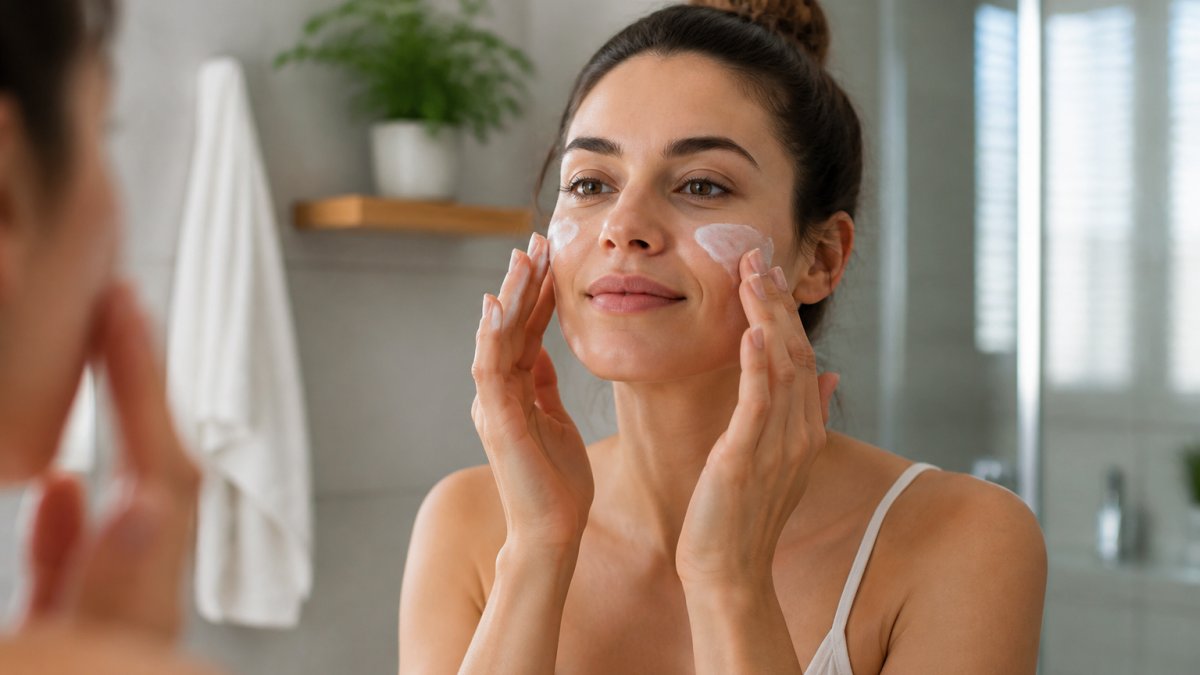
Natural oils versus synthetic moisturisers
Natural oil-based moisturisers absorb quickly into skin rather than sitting on top. Olive oil contains vitamins A, E, and K, squalene, antioxidants, and polyphenols that strengthen your barrier and improve hydration from within.
Our Serenity Face Moisturiser combines olive oil with vitamins B and olive leaf extract. Olive leaf extract helps diminish age spots and supports anti-ageing.
How Long Does Acne Treatment Take to Work
Acne is frustrating because results take time. But understanding the timeline helps you stick with treatment long enough to see it work.
Salicylic acid and blemish-fighting ingredients
Salicylic acid unclogs pores and reduces inflammation, improving individual blemishes within three to five days. Clearing acne completely takes longer because new blemishes form from bacteria and oil already trapped beneath the surface. Most people see significant improvement after four to six weeks of consistent use.
The first two weeks often feel discouraging as blemishes may worsen temporarily. By week three or four, new blemishes stop appearing and existing ones heal faster. By week six, your skin looks noticeably clearer.
Purging versus adverse reactions
Here's where confusion happens: purging is not the same as an adverse reaction.
Purging occurs when an active ingredient accelerates skin cell turnover, bringing trapped bacteria and oil to the surface temporarily. This looks bad but means the product is working and typically lasts one to two weeks. An adverse reaction causes burning, intense stinging, rash, or extreme redness, stop immediately if this occurs.
Purging is temporary and concentrated on breakout-prone areas; adverse reactions cause widespread irritation. If unsure, stop for three days, if your skin calms down, you were purging; if irritation persists, you had an adverse reaction.
How to Track Skincare Progress Effectively
You can't improve what you don't measure. Tracking progress keeps you motivated and helps you identify what's actually working.
Photographing your skin at regular intervals
Take a photo every two weeks under consistent natural lighting and angle. After four weeks, compare your first and most recent photos. Differences are often more obvious in photos than in the mirror because your brain adapts to gradual changes.
This method works for all skin concerns. Fine lines, acne, hyperpigmentation, texture, redness, all become measurable when you compare photos over time.
Keeping a simple progress journal
Write down what you're using and how your skin responds. After two weeks, patterns emerge showing which products work best and when. A journal also holds you accountable to consistent use.
Facial Serum, Juniper Orange, 40ml →
Measuring texture, hydration, and visible concerns
Beyond photos, track specific changes:
- Texture: Does your skin feel smoother? Rougher patches fading?
- Hydration: Does your skin feel tight or plump? Does makeup sit better?
- Blemishes: How many new ones appear each week?
- Fine lines: Are they less visible?
- Redness: Is irritation decreasing?
Rate each on a simple scale: worse, same, slightly better, noticeably better. Do this weekly. After four weeks, you'll have a clear picture of what's working.
Factors That Affect How Quickly You'll See Results
Not everyone sees results on the same timeline. Several factors speed up or slow down your progress.
Skin type, age, and severity of concern
Younger skin responds faster to treatment. A 25-year-old with mild acne sees results in four weeks. A 55-year-old with severe acne might need six to eight weeks.
Your skin type matters too. Oily skin often responds faster to acne treatments. Dry skin takes longer to show hydration improvements because it's more compromised.
The severity of your concern affects the timeline. Mild dryness improves in two weeks. Severe eczema takes months. Mild acne clears in four to six weeks. Cystic acne takes much longer.
Be realistic about your starting point. If you're treating a serious skin condition, expect a longer timeline.
Routine changes and product interactions
Changing multiple products at once makes it impossible to know what's working. If you swap your cleanser, serum, and moisturiser simultaneously, and your skin improves, which product deserves the credit?
Introduce one new product at a time. Use it for four weeks before adding another. This shows you exactly what works for your skin.
Some ingredients don't work well together. Vitamin C and niacinamide can cause irritation when combined. Retinol and acids are too harsh together. Mixing incompatible products slows results or causes problems.
Our Juniper Orange Facial Serum pairs well with our Serenity Face Moisturiser. Both are formulated to work together without irritation.

Environmental factors and lifestyle habits
Your environment and habits affect how quickly skincare works. Sun exposure damages skin and slows healing. Pollution irritates skin. Indoor heating dries it out.
Sleep matters. Your skin repairs itself at night. Poor sleep slows this process. Stress increases inflammation and acne. Diet affects skin health. Dehydration makes everything worse.
These factors don't change how long products take to work, but they change how well your skin responds. Optimise your environment and habits alongside your skincare routine for the fastest results.
When to Give Up on a Product and Seek Professional Advice
Four to six weeks is the standard timeline for most skincare products.
However, some situations warrant professional help sooner.
If you have a chronic skin condition like eczema, psoriasis, or severe rosacea, talk to a dermatologist before starting new skincare.
If acne doesn't improve after eight weeks of consistent treatment, see a dermatologist. You might need prescription-strength treatment.
For general skin concerns, dryness, mild acne, fine lines, uneven tone, give products a fair chance. Four to six weeks is realistic.
Finding the right skincare routine takes time and consistency.
Frequently Asked Questions
How long should I use a skincare product before deciding if it works?
Most skincare products require four to six weeks of consistent daily use before visible results appear. This aligns with your skin's natural 28-day renewal cycle; you need at least two full cycles to assess effectiveness. However, some products, like hydrating moisturisers, show immediate effects within hours, while acne treatments may take eight to twelve weeks. If you have severe concerns or sensitive skin, allow up to twelve weeks before switching products. Keep a progress journal to track subtle improvements you might otherwise miss.
How long does it take to see results from a moisturiser?
Natural oil-based moisturisers like those formulated with olive oil absorb quickly and provide immediate hydration within minutes to hours. However, visible improvements in skin elasticity, fine lines, and overall skin resilience typically emerge after four to six weeks of daily use. For drier skin types or those with compromised barriers, results may take closer to eight weeks. Consistency matters more than duration; skipping days resets your progress.
Why am I not seeing results from my skincare routine?
The most common reasons are inconsistency, unrealistic timelines, or mismatched products for your skin type. If you're using products only three or four times per week, your skin doesn't receive the sustained treatment needed for visible change. Second, you may be expecting results too quickly; most skincare takes four to six weeks minimum. Third, introducing multiple new products simultaneously makes it impossible to identify which one works or causes irritation. Try adding one product at a time and using it daily for six weeks before assessing results. If you have chronic conditions like eczema or rosacea, results may take longer, and professional dermatological advice may be necessary.
What's the difference between immediate skincare effects and gradual results?
Immediate effects, like plumped, hydrated skin within hours of applying a moisturiser, come from surface hydration and temporary skin swelling. Gradual results, such as reduced fine lines, improved texture, or faded dark spots, require cellular changes that take weeks or months. A hydrating serum might make skin look dewy instantly, but actual improvements in skin elasticity and wrinkle depth require consistent use over four to twelve weeks. Track both types: immediate effects show your product absorbs and feels right for your skin; gradual results prove it's actually improving your skin's health and resilience.
